Neck pain is one of the most common reasons people visit our Bundaberg chiropractic clinic, and while there are many factors involved, one of the biggest contributors is the changing demographic of the region. Bundaberg has become a well-known place for Australians to retire, and its growing population of adults aged 50 and over is now experiencing higher rates of neck stiffness, reduced mobility and general discomfort.
While lifestyle can influence spinal health, it is often the demographic shift and not the day-to-day habits which explains why neck pain Bundaberg residents experience is so widespread. As more people settle into retirement or semi-retirement, they begin to notice stiffness that has been building quietly for decades.
Here’s why.

A Larger Ageing Population Means More Neck Pain Concerns
Bundaberg has one of Queensland’s highest proportions of residents over 50. This group often carries the long-term effects of a lifetime of work, sport, injuries, postural habits and physical strain. For years, many keep going without slowing down and only start noticing discomfort when they finally enter a quieter stage of life.
It’s not unusual for retirees to say they’ve never had time to think about their body until now. Once they stop working, reduce physical load, or change their daily pace, the underlying stiffness that has been building for decades becomes much more noticeable.
This is one reason neck pain in Bundaberg is so commonly reported among older adults.
Decades of Wear and Tear Catching Up
Many locals in their 50s, 60s and 70s spent decades doing physically demanding work, whether in trades, farming, nursing, hospitality or shift work. Even small daily stresses, repeated for years, gradually affect how the spine moves.
Over time, this long-term strain often leads to:
- Reduced neck mobility
- Chronic muscle tightness
- Upper back stiffness
- Difficulty turning the head
- Postural changes
- General fatigue through the shoulder and neck muscles
These changes don’t usually cause sudden symptoms. Instead, they build slowly and are often ignored until retirement gives people more time to notice how their body actually feels.
Reduced Activity After Retirement Reveals Hidden Stiffness
Many people assume that reducing physical activity in retirement should make their body feel better. But for a large portion of Bundaberg retirees, the opposite happens.
As activity levels decrease, so does circulation, muscle flexibility and overall movement. Joints that once moved regularly now stiffen, and muscles that were once active become tight and fatigued more easily. This often brings long-standing neck and upper back issues to the surface.
Suddenly:
- Sitting becomes uncomfortable
- Reading or looking down causes tension
- Turning the head feels restricted
- Morning stiffness lasts longer
- Neck pain flares during simple activities
The misconception is thinking the stiffness is “new” when in reality, it’s simply more noticeable now that the pace of life has slowed.
A Lifetime of Posture Patterns Shows Up Later in Life
Years of leaning forward at computers, looking down at paperwork, carrying loads on one side, or working in awkward positions all contribute to long-term postural changes. These patterns often go unnoticed during the busy working years but become obvious during retirement.
Common age-related posture patterns that contribute to neck pain Bundaberg residents experience include:
- Forward head posture
- Rounded shoulders
- A stiff upper back
- Reduced neck rotation
- Tight chest and shoulder muscles
These patterns place more weight and tension on the neck, making mobility feel limited and uncomfortable.
Retirees Are More Likely to Seek Help Once They Have Time
One of the biggest reasons Bundaberg’s older demographic reports more neck pain is simple: they finally have time to address it.
During working life, pain or stiffness may be pushed aside due to busy schedules. But once retired, many become more aware of their health needs and begin seeking support.
This is why our chiropractor Bundaberg team sees so many newly retired locals who are only now starting to investigate the cause of their neck discomfort.

The Role of Musculoskeletal Changes With Age
It’s normal for the body to change with age. Muscles become less elastic, joints lose some of their natural mobility, and the spine adapts to decades of movement patterns.
These natural changes can contribute to:
- Morning stiffness
- Difficulty turning the head
- Neck pain when driving
- Tight shoulders
- Fatigue when sitting or reading
- Tension headaches
These challenges don’t mean ageing is the cause, but rather that past movement patterns have built up over time and are now more noticeable.
How a Chiropractor in Bundaberg Supports Neck Stiffness in Retirees
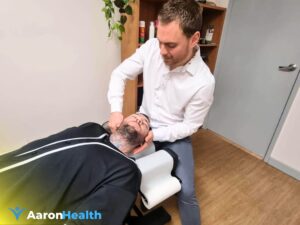
At Aaron Health, our Bundaberg Chiropractic team works with many older adults who experience stiffness, postural changes and reduced mobility. We take into account a person’s long-term work history, posture, lifestyle changes, and age-related musculoskeletal needs to help them understand how their neck is functioning now.
Our focus is on:
- Assessing posture and spine movement
- Supporting joint mobility
- Improving comfort in daily activities
- Helping older adults move more easily and confidently
- Providing guidance on gentle mobility and posture habits
If you’ve started noticing neck stiffness or reduced movement now that life has slowed down, you’re not alone. Many people in Bundaberg’s over-50s community begin exploring ways to support their neck and spinal comfort during retirement. If you’d like personalised support or want to understand how your neck is functioning, our team at Aaron Health Chiropractic Bundaberg is here to help.
The goal is not to reverse time, but to help people feel more comfortable and capable as they age. If you would like to speak to one of our experienced chiropractors or friendly team, they will be more than happy to answer your question.