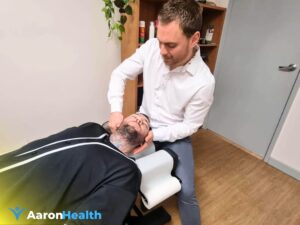
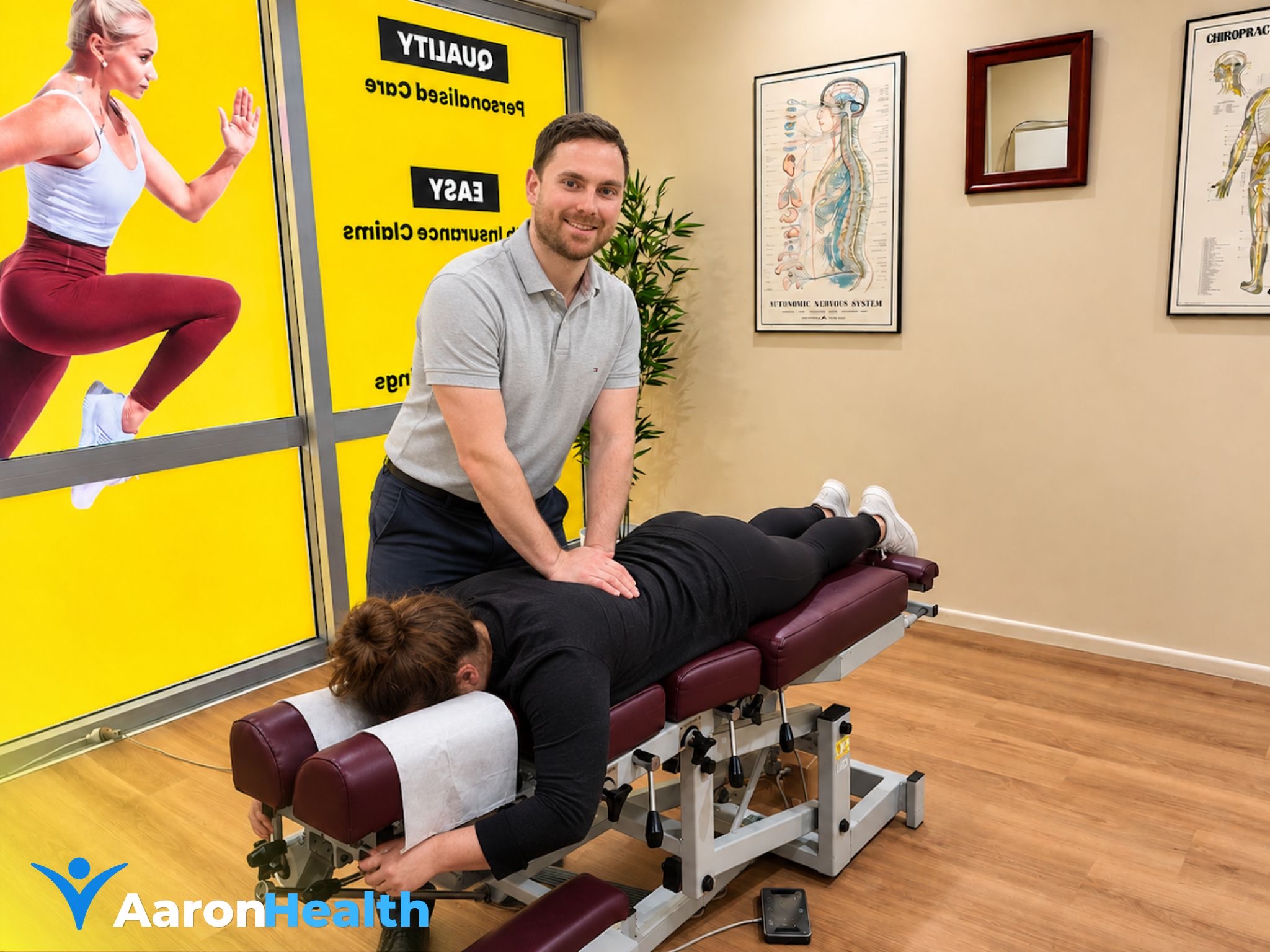
Poor posture can be easy to overlook, especially when it develops gradually through work, driving, phone use, exercise or everyday habits. You may not notice a change until stiffness, tension or discomfort starts affecting how you move.
Your posture is not simply about sitting or standing perfectly. It is also about how your body moves and responds to the demands you place on it throughout the day. Understanding your habits can help you recognise when it may be worth paying more attention to how you move.
How can poor posture affect your everyday movement?
Your daily habits can influence how your body moves
Spending long periods sitting at a desk, looking down at a phone, driving or working in the same position can affect how your body feels over time. Repeated positions may contribute to stiffness or tension, particularly when there are few opportunities to change position or move throughout the day.
This does not mean that every instance of poor posture will cause a problem. However, becoming more aware of your everyday movement can help you identify habits that may be contributing to discomfort.
Are you noticing stiffness after sitting for long periods?
If your neck, shoulders or back feel stiff after working at a desk or spending a long time in one position, your daily routine may be worth reviewing.
Taking regular movement breaks and changing position throughout the day can help prevent your body from remaining in the same position for extended periods. If stiffness continues or starts affecting everyday activities, a posture assessment may help identify factors that could be contributing to your discomfort.
Could your phone or computer habits be affecting your posture?
Phones, laptops and computers are part of everyday life for many people. Looking down at a screen or sitting at a desk for hours can influence how you position your head, neck and upper body.
Reviewing your screen height, chair position and workstation setup can be a useful starting point. Small adjustments to your environment may make it easier to maintain a more comfortable position while working or using technology.
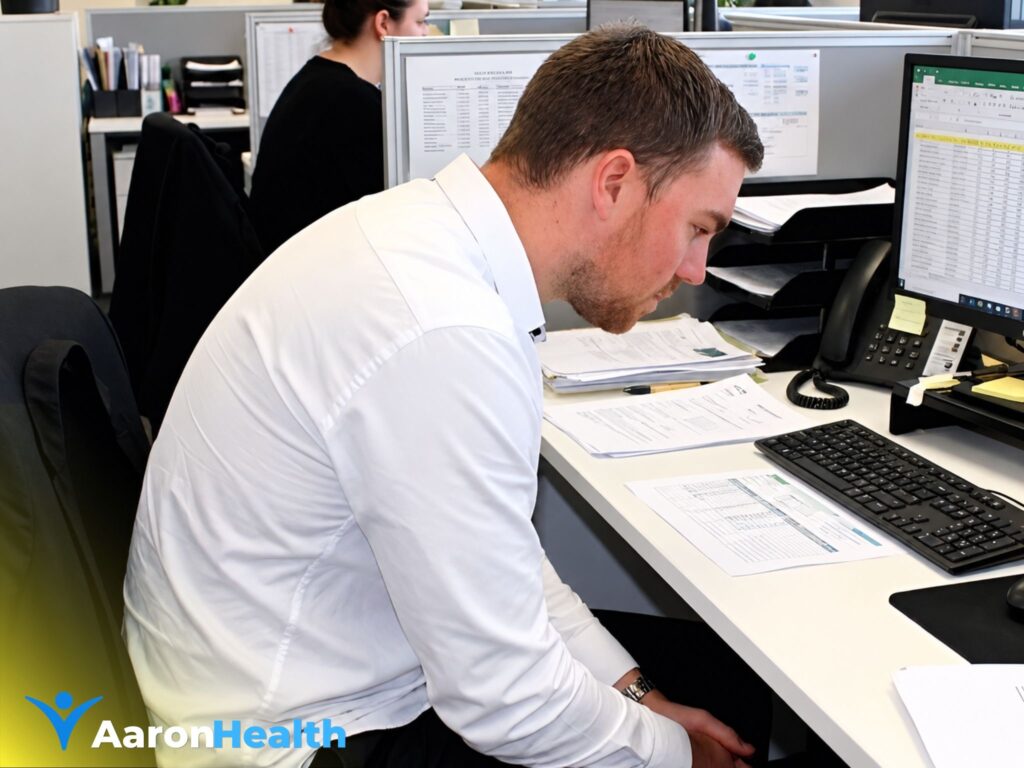
What signs could indicate that your posture needs attention?
Changes in posture can be accompanied by tension and discomfort
Posture concerns do not always appear as obvious changes in the way you sit or stand. You may instead notice tightness around your neck and shoulders, stiffness through your back or discomfort after particular activities.
Paying attention to when these symptoms occur can provide useful information about your daily habits and movement patterns.
Are headaches or neck tension becoming more common?
Some headaches may be associated with tension or dysfunction around the neck. If you regularly experience headaches or neck tension, it may be useful to consider whether your work setup, daily habits or movement patterns could be contributing factors.
Aaron Health provides headache assessment and neck pain chiropractic care as part of its broader approach to musculoskeletal health.
Are you finding certain movements more difficult?
Changes in mobility can sometimes be more noticeable than changes in posture itself. You may find it harder to turn your head, bend comfortably, sit for extended periods or move through activities that were previously easy.
If these changes continue, an assessment can help you understand what may be contributing to them and whether professional guidance is appropriate.

How can you improve your posture and movement habits?
Better posture starts with practical changes you can maintain
Posture correction does not necessarily mean trying to hold yourself in one rigid position all day. A more practical approach is to create opportunities for movement and make adjustments that fit your routine.
Changing positions regularly, setting up your workstation appropriately and incorporating movement into your day can all support healthier habits.
Could a posture assessment help you understand your movement?
If you are unsure whether your posture is contributing to stiffness or discomfort, an assessment can provide a closer look at how you move.
Aaron Health offers guidance around posture, movement and ergonomic adjustments as part of its chiropractic care. A personalised assessment can consider your lifestyle, physical demands and individual concerns rather than applying the same approach to everyone.
When should you seek professional advice?
If stiffness, discomfort, headaches or changes in movement persist or begin affecting your work, exercise or everyday activities, it may be worth seeking professional guidance.
An assessment can help you understand your symptoms and discuss appropriate options. It is also important to remember that posture is only one possible factor behind pain or discomfort, so persistent or concerning symptoms should be assessed appropriately.
Ready to take the next step with your posture?
If you have noticed changes in your posture, recurring stiffness or discomfort that is affecting how you move, Aaron Health can help you understand your options.
The team provides personalised chiropractic care for a range of musculoskeletal concerns, including posture, back pain, neck pain and headaches. You can learn more about posture and chiropractic care or visit the Aaron Health Bundaberg clinic to discuss your concerns.
If you are ready to take a closer look at how your posture and movement may be affecting your everyday life, book an appointment with Aaron Health.