

Kids posture often becomes a concern when children start coming home from school with sore shoulders, a tired back, or a tight feeling through the upper body. Many parents commonly notice these changes during busy school terms. Long sitting periods, heavy bags, and device use can all play a part.
This article shares general education about kids posture. It does not replace individual medical advice. If your child has persistent pain, worsening symptoms, or you are worried, seek an appropriate assessment.
Many of the early posture patterns that show up in childhood can resemble the same movement and load issues seen later in life. You can read more about broader spine strain patterns in this guide to everyday back pain patterns.
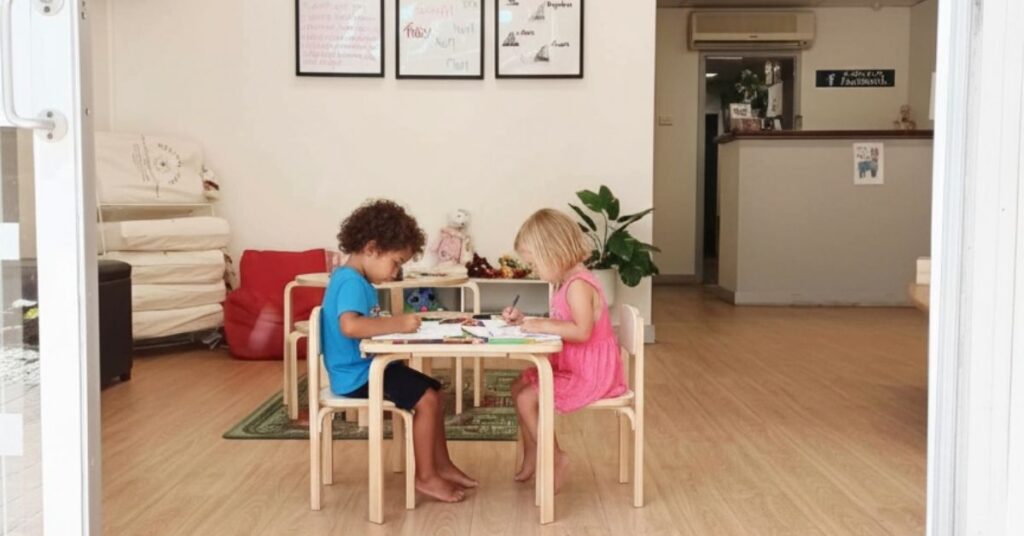
Why Kids Posture Changes So Easily During School Years
Kids grow quickly between ages 7 and 15. Their bones lengthen. Their muscles adapt. Coordination changes fast.
Because the body is developing, it also adapts quickly to repeated positions. If a child sits slouched for long blocks most days, the body learns that as normal. If a backpack pulls them forward daily, their posture may shift to balance the load.
Good kids posture is not rigid posture. Kids need movement variety. They also need enough strength and endurance to sit and stand with less fatigue.
Why Kids Posture Problems Feel More Common Now
Parents often say posture issues used to be an adult problem. Many children now face similar patterns earlier. Several school day factors explain this.
Children sit more than previous generations. Classrooms often involve long lesson blocks. Desk heights do not always match a child’s size. When the setup does not fit, the body compensates.
School bags also weigh more. Laptops, lunch boxes, books, and sports gear add up. Many children carry the load for longer walks than parents expect.
Screens add another layer. Looking down at a device encourages a head forward position. The neck and upper back muscles then work harder for longer.
None of these factors guarantee pain. They can increase fatigue. Over time, fatigue can feel like tightness.
Timing Matters: Why Early Awareness Helps
Kids posture patterns build quietly. Children often do not mention discomfort until the end of the day. Some only notice it during homework.
Early awareness helps because it keeps the problem small. Small patterns respond best to small habit changes. This approach also supports confidence. Children usually respond better to gentle cues than constant correction.
When parents understand the pattern, they can adjust the environment. They can also support movement breaks. These steps often reduce end of day fatigue.
The Most Common School Factors Behind Kids Posture Fatigue
Long sitting blocks
Sitting is not bad. Long sitting without breaks can be hard on a growing body. A child may slump because it feels easier. Over time, endurance drops. The shoulders may round. The upper back may feel tired.
Heavy backpacks
A heavy bag pulls the shoulders down and forward. Many children lean forward to balance it. That can load the upper back and shoulder muscles. It can also make the neck feel tight after a long day.
Screen based learning and homework
Devices keep attention forward and down. A child often cranes their head toward the screen. The body then holds tension longer. This can show up as soreness between the shoulder blades.
Reduced movement through the day
Movement resets posture. Without regular movement, stiffness builds. Children may feel fine while sitting. They then feel tight when they stand and walk.
Growth spurts
A growth spurt changes leverage. Arms and legs feel longer. Strength takes time to catch up. Posture may look worse during this phase. It often improves with better movement habits.
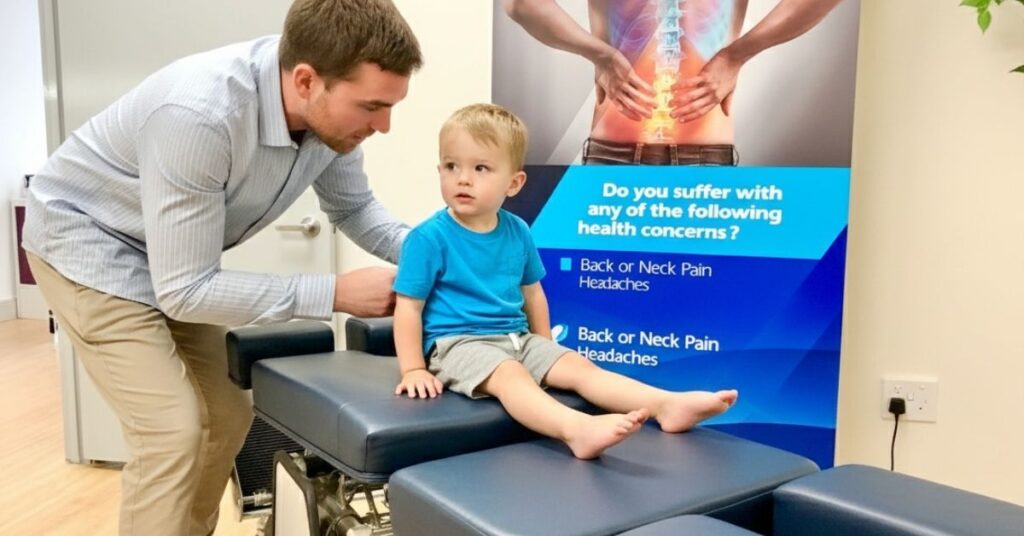
What to Notice Early in Kids Posture
Parents often notice the same early clues. These clues do not diagnose anything. They can help you spot a pattern.
A child may slump quickly at the table. They may rest their head on one hand often. They may complain after carrying the bag. They may ask to lie down after school. They may avoid longer walks.
You may also notice tired shoulders. You may see rounded upper back posture in photos. You may see the head drift forward during screen time.
Practical Habits That Support Kids Posture
Kids posture improves most with simple habits that repeat daily. The goal is comfort and confidence. The goal is not perfect posture.
Backpack habits matter. Choose wide straps. Aim for a bag that sits high on the back. Encourage both straps each day. Pack heavier items close to the back panel. Keep unnecessary items out.
Homework setup helps. A dining chair can work if it fits the child. Support the feet if they dangle. Bring the screen higher when possible. A small stand or a few books can help. Keep the keyboard and mouse close.
Movement breaks can be simple. Encourage short resets during homework. A quick walk to get water works. A few shoulder rolls can work. A brief stretch can work. The break matters more than the method.
Active play supports endurance. Kids who climb, run, swim, and play sport build strong posture muscles. They also get movement variety. That variety protects against stiffness.
Use cues that feel positive. Kids respond well to simple phrases. Try “sit tall for five breaths.” Try “long neck, soft shoulders.” Keep it light. Avoid fear based language.
FAQ
Can a heavy backpack affect kids posture?
Yes, a heavy bag can pull the shoulders forward and increase fatigue.
Does screen time change kids posture?
It can, especially when the head stays down for long periods.
Should kids sit perfectly straight all day?
No. Kids need comfortable positions and regular movement breaks.
When should a parent seek professional advice?
Seek advice if symptoms persist, worsen, or limit daily activities.
Conclusion: Kids Posture Improves Through Small Daily Changes
Kids posture often reflects school day habits more than a single problem. Sitting, bags, and screens can increase fatigue. Growth spurts can make patterns more obvious.
Small daily changes usually have the greatest impact. Better bag habits, a supportive homework setup, and regular movement breaks can help. The aim is a spine that moves well. The aim is a child who feels comfortable and confident during the school week.