

Muscle tension for Bundaberg residents is often closely linked to the region’s heat and humidity. While warmer weather can initially feel relaxing, prolonged exposure to high temperatures and humidity places additional stress on muscles, joints and the nervous system. For many locals that our Chiropractors see, this results in tightness, stiffness or fatigue that becomes more noticeable during hotter months.
Understanding how Bundaberg’s climate influences muscular comfort can help explain why muscle tension is such a common concern locally.
How Heat and Humidity Contribute to Muscle Tension in Bundaberg
Heat causes blood vessels to dilate, increasing circulation to muscles. In the short term, this may feel beneficial. However, prolonged heat exposure in humid conditions forces muscles to work harder to maintain posture, stability and coordination.
Humidity limits the body’s ability to cool itself efficiently through sweating. As internal temperature rises, muscles fatigue more quickly, contributing to increased muscle tension Bundaberg locals often notice in the neck, shoulders and lower back.
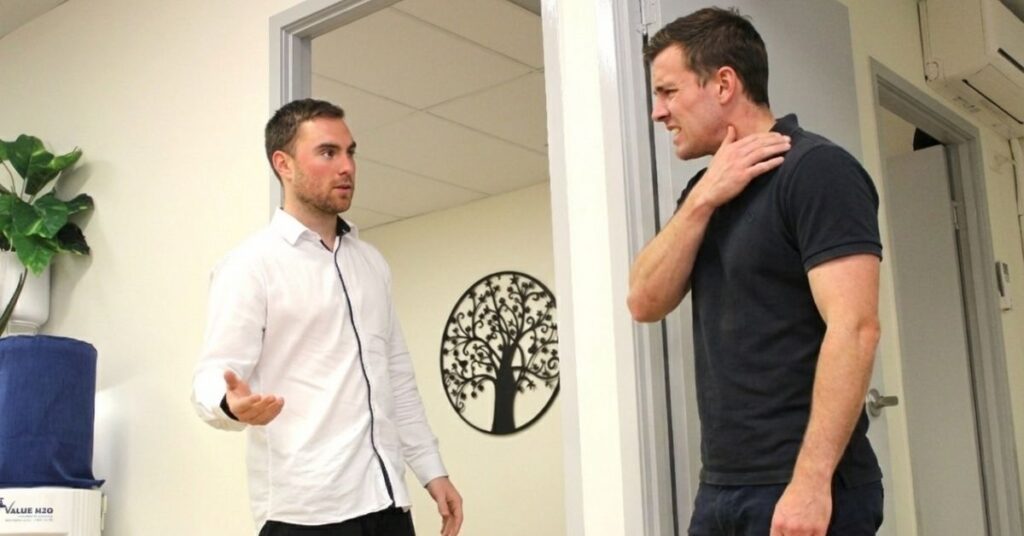
Muscle Tension in Bundaberg and the Role of Dehydration
Dehydration is one of the most overlooked contributors to muscle tightness in warm, humid climates. Even mild dehydration can significantly affect muscle performance and recovery.
When fluid levels drop, muscles lose elasticity and become more prone to tightness, cramping and fatigue. This is particularly relevant in Bundaberg, where people may underestimate fluid loss due to gradual exposure to heat.
Early signs of dehydration often include increased muscle tightness, reduced flexibility, headaches, fatigue, dry mouth, darker urine and slower recovery after activity. Many people attribute these symptoms to overuse or poor sleep, not realising hydration may be playing a role.
Dehydration-related muscle fatigue often contributes to discomfort patterns similar to those discussed on our back pain Bundaberg page.
Posture Fatigue and Muscle Tightness in Hot Conditions
Heat-related fatigue can subtly alter posture. As stabilising muscles tire, people are more likely to slump, elevate their shoulders or lean forward. These changes increase muscular load, particularly through the neck and upper back.
Over time, these patterns contribute to persistent muscle tension for Bundaberg residents during warmer months. This is especially noticeable after long workdays, extended driving or prolonged sitting.
For deeper insight into posture-related strain, our posture assessment service explores how posture and muscle balance affect comfort.
Why Heat and Humidity Increase Neck and Shoulder Muscle Tension
The neck and shoulders are particularly sensitive to environmental stress. In humid conditions, people often subconsciously elevate their shoulders or hold tension in the upper body, increasing muscle guarding around the cervical spine.
This helps explain why neck muscle tension for Bundaberg residents is reported more often in hot weather. These patterns closely align with symptoms outlined on our neck pain resource.
Physical Activity, Heat Stress and Muscle Fatigue in Bundaberg
Exercising or performing physical work in hot, humid conditions places greater demand on muscles. Without adequate hydration, rest and recovery, muscles remain in a shortened or fatigued state for longer periods.
This is one reason muscle tension Bundaberg locals experience can feel more persistent during summer, even without a specific injury or change in activity level.
When muscular fatigue continues without adequate recovery, discomfort may progress toward patterns associated with chronic pain.
Why Muscle Tension Often Builds Up Gradually
Many people adapt gradually to Bundaberg’s climate, making it easy to overlook early signs of muscle fatigue. Tightness often becomes noticeable only once it begins to interfere with sleep, work or daily comfort.
This slow buildup mirrors patterns seen in nerve-related discomfort such as sciatica, where symptoms often develop progressively rather than suddenly.
Supporting Muscle Health in Bundaberg’s Climate
At Aaron Health Chiropractic Bundaberg, we frequently see locals experiencing muscle tightness influenced by climate, posture and daily activity demands. Our approach focuses on understanding how environmental factors interact with movement habits and recovery.
We support locals by identifying contributing patterns and providing guidance tailored to living and working in Bundaberg’s warm, humid conditions.
Learn more about how we support local musculoskeletal health here:
👉 Bundaberg chiropractor

Conclusion: Managing Muscle Tension in Bundaberg’s Climate
Heat and humidity play a larger role in muscular comfort than many people realise. For Bundaberg locals, recognising how climate affects hydration, posture and muscle fatigue can help explain why tightness is so common.
By paying attention to hydration, posture awareness and recovery during the warmer months it’s possible to better manage muscle tension for Bundaberg residents.