

Work posture plays a major role in how the spine responds to long hours at a desk. Modern office environments rely on sitting, screens, and repetitive tasks. These demands shape how the body moves and adapts throughout the workday.
Problems linked to work posture rarely appear suddenly. Most changes develop slowly. Understanding this process helps explain why stiffness and tension often increase over time rather than overnight.
Why Work Posture Changes Over Time
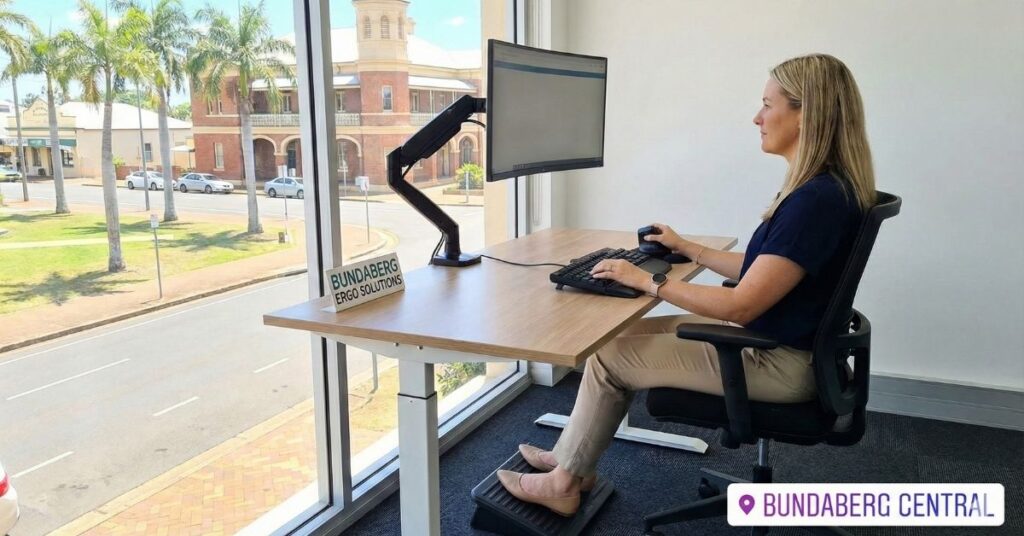
The body adapts to the positions it holds most often. For office workers, this usually means prolonged sitting and forward-focused screen use. Limited movement during the day reinforces these postural patterns.
When work posture remains fixed for long periods, some muscles work harder than they should. Others contribute less. This imbalance affects how the spine moves and manages load. Over time, these changes align with patterns commonly discussed in broader information about back pain.
Screens, Sitting, and Upper Spine Posture
Desk work often encourages the head to move forward toward screens. Laptops and low monitors increase this effect. Even small changes in head position can increase strain through the neck and upper back.
Many people notice tightness later in the day. Others feel stiffness when turning their head or standing up. These signs reflect work posture patterns commonly associated with neck pain and upper spine fatigue.
Work Posture and Reduced Movement Variety
The spine relies on regular movement to stay comfortable. Desk work limits that movement for extended periods. Joints and muscles respond by becoming stiff and fatigued.
Office workers often feel this stiffness when they stand after sitting. Neck rotation and upper-back movement may feel restricted. These sensations resemble patterns explored in discussions about chronic pain, where reduced movement plays a key role.
Why Work Posture-Related Discomfort Often Goes Unnoticed
Most people continue working despite discomfort. Small adjustments help them cope during the day. Leaning forward, shifting position, or avoiding certain movements reduces short-term strain.
These adjustments mask the underlying issue. Over time, work posture patterns become reinforced. Discomfort then appears more often and lasts longer.
Improving Work Posture Through Simple Daily Habits
Improving work posture does not require rigid sitting positions or constant correction. Instead, it relies on awareness and regular movement throughout the day.
One of the most effective habits is standing up regularly. Getting up every 20 minutes for around 30 seconds allows the spine to reset and encourages joint movement. A brief walk around the office or a change in position helps reduce stiffness and muscle fatigue without disrupting productivity.
Some workers choose to use posture braces as a reminder rather than a corrective device. When used briefly, these braces can increase awareness of upper-body posture. They work best as a prompt to adjust posture, not as something worn continuously throughout the day.
One of the simplest and most practical strategies we’ve seen is the use of a bright-coloured wrist band worn on the dominant arm. Each time a worker looks at their wrist, the band acts as a gentle cue to pause, assess their posture, and straighten if needed. This approach encourages self-awareness without forcing the body into a fixed position.
These small habits help people recognise how work posture changes during the day and allow them to respond early, before stiffness builds.
Work Posture, Muscle Balance, and Spinal Load
Posture influences muscle balance across the body. Prolonged sitting often tightens the chest and hips. At the same time, the upper back and core become less active.
This imbalance changes how the spine handles everyday load. Walking, lifting, or standing may feel more demanding. These changes rarely cause immediate pain, but they influence long-term spinal comfort.
Understanding Posture Through Assessment
Posture cannot be reduced to simple labels like “good” or “bad.” Screen height, sitting duration, and break frequency all matter. Daily habits shape posture more than any single position.
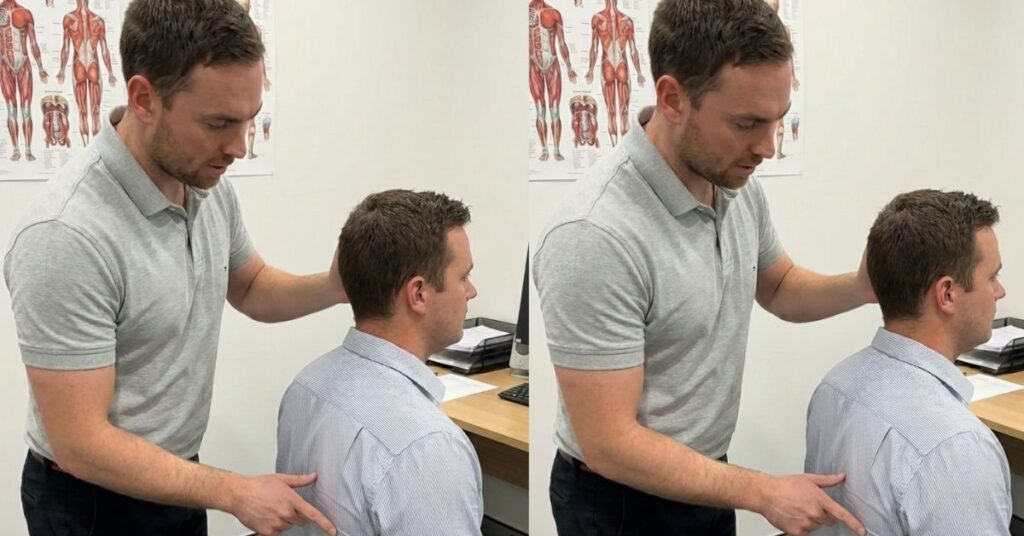
A posture assessment helps identify how work posture and movement interact. It focuses on patterns rather than symptoms. This approach supports better understanding of spinal comfort over time.
Movement Awareness and Healthy Working Habits
Awareness helps people recognise how work posture affects comfort. Standing regularly, changing position, and moving the spine during the day all support mobility.
Many people notice improvement when movement increases. This pattern explains why discomfort often eases outside work hours. It also highlights the importance of movement variety during the day.
Conclusion: Work Posture Reflects Adaptation Over Time
Work posture influences spinal comfort through gradual adaptation, not sudden injury. Sitting, screen use, and limited movement shape how the spine responds. These changes develop slowly and often go unnoticed at first.
Understanding posture helps explain why discomfort builds over time. It also shows why awareness and regular movement matter for long-term spinal health.