

Sciatica Bundaberg residents experience is one of the most common reasons people seek help from our Chiropractors. While sciatica is often described as pain that travels from the lower back into the leg, it isn’t a condition itself. It’s a pattern of symptoms that can arise from several underlying movement and spinal issues. For those experiencing symptoms such as leg pain, tingling or weakness, visiting a local chiropractor in Bundaberg can help assess which pattern may be contributing and how spinal movement is involved.
Understanding why sciatica develops rather than simply where it hurts is the key to managing it effectively.
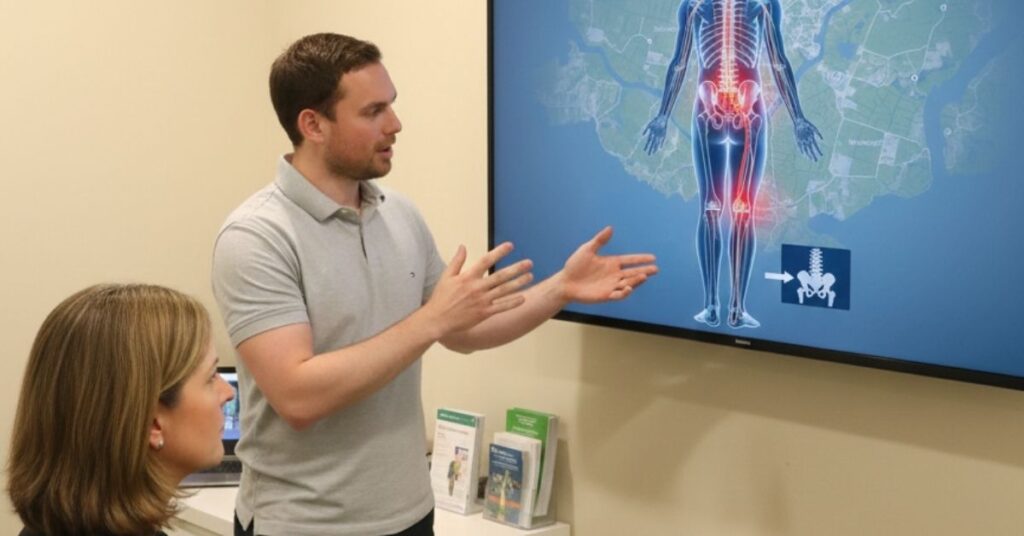
What Is Sciatica and Why It Develops
Sciatica refers to irritation or compression of the sciatic nerve, the largest nerve in the body. This nerve originates in the lower spine and travels through the pelvis, buttock and down the leg. When something interferes with how the nerve moves or functions, symptoms can be felt anywhere along this pathway.
In many cases, the sciatica Bundaberg locals experience doesn’t come from sudden injury. Instead, it develops gradually due to changes in spinal movement, posture, joint loading or muscle balance over time.
This is why sciatica symptoms often fluctuate improving with some activities and worsening with others.
Disc-Related Patterns of Sciatica in Bundaberg
One of the most recognised contributors to sciatica involves spinal discs. Discs act as cushions between vertebrae, allowing movement and absorbing load. When disc movement is restricted or altered, nearby nerve structures can become irritated.
Disc-related sciatica often presents as leg pain that changes with sitting, bending or prolonged postures. Many people notice symptoms worsen after long periods of sitting or driving patterns, these are most frequently seen symptoms in sciatica Bundaberg presentations.
These disc-related mechanisms are closely connected to the broader issues discussed on our back pain Bundaberg page.
Joint and Spinal Mobility Patterns
Not all sciatica originates from discs. In many cases, restricted movement through the lower spine or pelvis alters how forces are distributed during daily activity. When joints don’t move well, the surrounding tissues including the nerves can become irritated.
This type of sciatica often feels more mechanical. Symptoms may change depending on movement, posture or activity level, and may improve temporarily with walking or gentle motion.
A structured posture assessment can help identify whether restricted spinal or pelvic movement is contributing to sciatic symptoms.
Muscle and Soft Tissue Contributions to Sciatica
Muscles surrounding the hips and pelvis play an important role in how the sciatic nerve moves. Tight or overactive muscles particularly in the gluteal region can alter nerve mobility and contribute to symptoms that feel like sciatica.
In these cases, pain may be more noticeable with walking, standing or after activity rather than sitting. This pattern is common in people who remain active but experience reduced flexibility or muscle balance over time.
Because these symptoms mimic nerve pain, many people are surprised to learn that muscle and movement patterns can play a significant role in sciatica Bundaberg cases.
Posture, Sitting and Driving Patterns
Prolonged sitting is one of the most common aggravating factors for sciatica. Sitting places sustained load through the lower spine and hips, particularly when posture is compromised. Over time, this can influence how spinal joints, discs and nerves interact.
Driving-related sciatica is especially common in Bundaberg, where many locals commute from Bargara to Bundaberg and visa versa. Poor seat setup, limited lumbar support and reduced movement variety over a prolonged period of time can all contribute to nerve irritation.
These posture-related influences overlap with the mechanisms described on our chronic pain page, where cumulative load plays a key role.
Why Sciatica Often Develops Gradually
One of the defining features of sciatica is that it rarely appears without warning. Many Bundaberg residents report early signs as early as in their 20’s. Symptoms often include stiffness, occasional leg discomfort or reduced mobility long before more noticeable symptoms develop.
Because people remain functional, these early signs are often ignored. Over time, compensations develop, movement patterns change and nerve irritation becomes more persistent.
This gradual progression explains why sciatica Bundaberg symptoms are often worse during periods of rest, such as at night or first thing in the morning, rather than during activity.
How Sciatica Patterns Differ Between Individuals
No two cases of sciatica are exactly the same. Some people experience sharp leg pain, while others notice dull aching, tingling, burning or weakness. These differences reflect the underlying pattern causing nerve irritation. It is a matter of whether it is disc-related, joint-related, muscular or posture-driven.
Understanding these patterns helps guide appropriate management and avoids a one-size-fits-all approach.
For more detailed information on sciatic symptoms, visit our sciatica condition page.
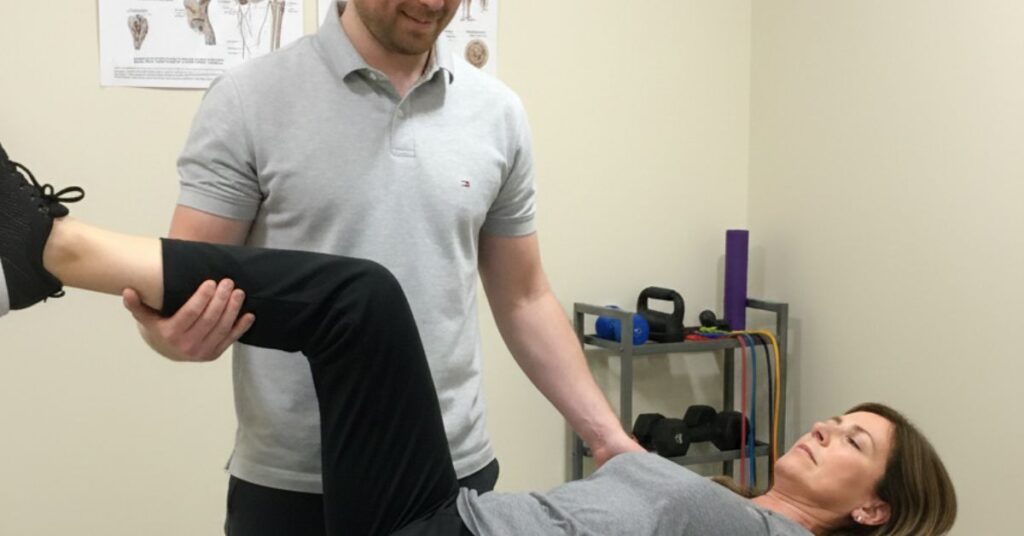
How Our Bundaberg Clinic Assesses Sciatica
At Aaron Health Chiropractic Bundaberg, we regularly see locals experiencing sciatic symptoms. Our approach focuses on identifying how spinal movement, posture and daily habits may be contributing to nerve irritation.
By understanding the underlying pattern, we help patients make sense of their symptoms and how they relate to movement and posture over time.
Learn more about our local approach here:
👉 Bundaberg chiropractor
Conclusion: Understanding Sciatica Helps Guide Better Decisions
The sciatica Bundaberg residents experience is not a single condition, but a collection of patterns that reflect how the spine, joints, muscles and nerves interact. Understanding these patterns helps explain why symptoms vary, why they often develop gradually, and why movement and posture play such an important role.
If leg pain or nerve symptoms are affecting your comfort or confidence in movement, understanding the underlying cause is an important first step.