Mobility for over 50s for Bundaberg residents is becoming an increasingly important topic as more locals choose the region as a place to slow down, retire and enjoy a better lifestyle. With Bundaberg’s relaxed pace, warm climate and strong community, many people begin to notice changes in their movement only once life becomes less physically demanding.
For many, it’s not until daily routines slow that stiffness, reduced flexibility or joint discomfort become more noticeable. Understanding why this happens and how to support mobility as the body changes can make a significant difference to comfort, independence and quality of life.
Why Mobility for Over 50s in Bundaberg Changes With Age
As we age, natural changes occur in joints, muscles and connective tissues. Cartilage gradually becomes less resilient, muscles lose elasticity, and joints may feel stiffer after periods of rest. These changes don’t mean movement should be avoided. In fact, they make movement more important than ever.
Many Bundaberg locals in their 50s and beyond describe feeling “fine while busy,” but stiff once they sit for longer periods or wake in the morning. This pattern is commonly linked to reduced joint movement overnight and during rest, rather than injury itself.
These experiences are closely connected to the issues discussed on our back pain Bundaberg page, where stiffness often reflects reduced mobility rather than structural damage.
Mobility for Over 50s Bundaberg: How Lifestyle Shifts Affect Movement
Bundaberg’s lifestyle is both a blessing and a challenge for mobility. While the climate encourages outdoor activity, many over-50s naturally reduce physical load after retirement or semi-retirement. Less lifting, fewer work-related movements and more time sitting can quietly reduce joint range of motion.
Without regular movement variety, joints become accustomed to smaller ranges, leading to stiffness through the hips, spine, shoulders and neck. This is why mobility for over 50s Bundaberg residents experience often becomes a concern only after daily routines change.
Neck and shoulder stiffness, for example, is commonly explored on our neck pain resource.
Joint Comfort and Mobility for Over 50s Bundaberg Residents
Joint comfort isn’t just about how joints feel, it also affects confidence. When movement feels restricted or uncomfortable, people naturally move less. Over time, this can lead to further stiffness, reduced balance and loss of confidence in everyday activities.
Maintaining joint mobility supports:
- easier walking and balance
- confidence with bending and reaching
- comfort during travel and driving
- continued participation in hobbies and social activities
These factors are key to preserving independence and quality of life as we age.
How Gentle Movement Supports Mobility
One of the most common misconceptions is that maintaining mobility requires intense exercise. In reality, consistency matters far more than intensity especially for over-50s.
Gentle, regular movement encourages joint lubrication, muscle flexibility and better coordination. Activities such as walking, swimming, light resistance training and mobility-focused exercises support joints without excessive strain.
When movement is avoided due to stiffness, discomfort can gradually progress toward patterns associated with chronic pain.
Posture, Spinal Health and Mobility for Over 50s Bundaberg Locals
Posture plays a significant role in how joints move and feel. Years of sitting, driving and looking down at screens influence spinal alignment and muscle balance. Over time, poor posture can restrict movement and increase joint load.
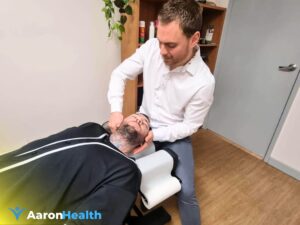
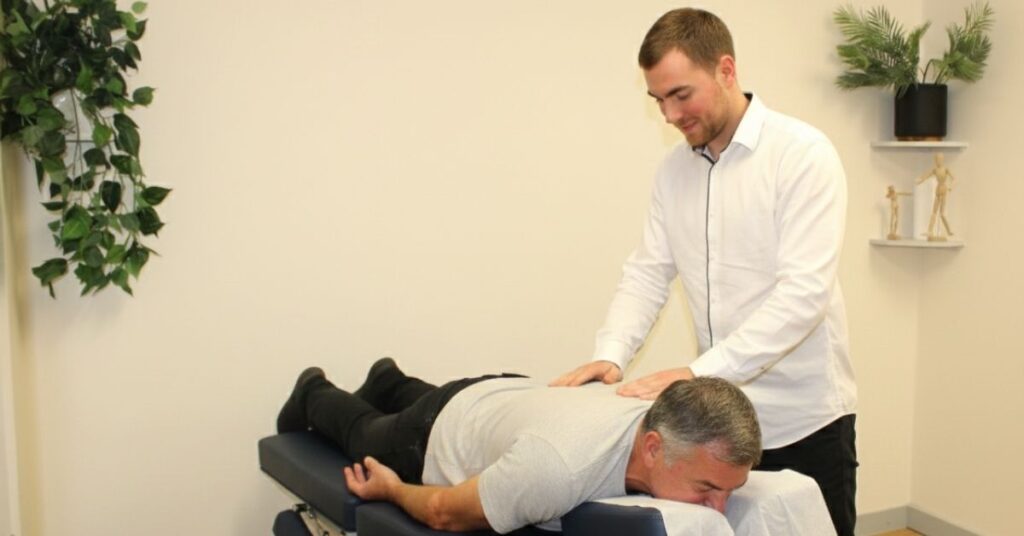
A chiropractic assessment can help identify areas where posture may be limiting mobility or contributing to joint discomfort, particularly through the spine and hips.
Common Signs That Mobility for Is Declining
Many Bundaberg over-50s say they only become aware of mobility limitations once they try to:
- get up from the floor
- turn their head while driving
- walk longer distances
- resume exercise after a break
These moments are not signs of failure, they’re signals that the body may need more movement support and guidance.
Some people also notice nerve-related discomfort, such as leg tightness or lower back symptoms similar to those discussed on our sciatica page.
How Our Bundaberg Clinic Helps Over 50s
At Aaron Health Chiropractic Bundaberg, we regularly work with locals over 50 who want to stay active, comfortable and independent. Our approach focuses on understanding how joints move, how posture influences comfort and how lifestyle changes affect mobility.
We support patients by:
- assessing joint movement and posture
- identifying areas of restriction
- supporting spinal and joint mobility
- providing guidance tailored to age and activity level
Learn more about how we support local mobility here:
👉 Bundaberg chiropractor
Maintaining Mobility for Over 50s Bundaberg to Support Independence
Maintaining mobility for over 50s Bundaberg residents is not about pushing harder, it’s about moving smarter. Gentle, consistent movement, posture awareness and early support all contribute to joint comfort and confidence as the body changes.
By supporting mobility, many over-50s find it easier to enjoy daily activities, stay socially connected and maintain independence well into later years.
If you’ve noticed stiffness or reduced movement, personalised guidance may help you better understand what your body needs.